Breaking News: ASPCA Community Veterinary Clinic Offers Free Pet Check-Ups and Vaccinations
In a heartwarming announcement for pet owners, the ASPCA Community Veterinary Clinic is launching a fantastic new initiative: free pet check-ups and vaccinations! This program is designed to support the health and well-being of our beloved furry friends while making veterinary care accessible to all.
ASPCA
The American Society for the Prevention of Cruelty to Animals (ASPCA) is a pioneering non-profit organization dedicated to preventing animal cruelty in the United States. Founded in 1866, the ASPCA has been at the forefront of animal welfare, advocating for the protection of animals and providing essential services to those in need. Its mission encompasses a wide range of activities, including rescuing animals from cruelty, promoting humane education, and offering veterinary care to underserved communities.
The ASPCA Community Veterinary Clinic in Long Island City, Queens, is dedicated to providing essential veterinary services to pet owners in need. This clinic is part of the ASPCA's broader commitment to improving access to veterinary care for underserved communities. Here's an overview of the services offered at this clinic.
Services Offered
The ASPCA Community Veterinary Clinic provides a comprehensive range of basic veterinary services for both cats and dogs, aimed at ensuring the health and well-being of pets in the community. The services include:
Cost Structure
One of the most significant aspects of the ASPCA Community Veterinary Clinic is that many of these services are provided free of charge for eligible pet owners. However, there may be fees associated with certain treatments, such as flea and tick medications after the first complimentary dose. These costs will be discussed during the appointment, ensuring transparency for pet owners regarding any potential expenses.

Free Services
In line with its mission, the ASPCA has launched a new initiative through its Community Veterinary Clinic located in Long Island City, Queens. This clinic provides free pet check-ups and vaccinations for eligible pet owners. The goal of this program is to address the significant barriers many families face when seeking veterinary care due to financial constraints. In New York City, where the cost of living is high, routine veterinary services can be prohibitively expensive, often costing around $100 for a basic exam.
Origin of the Program
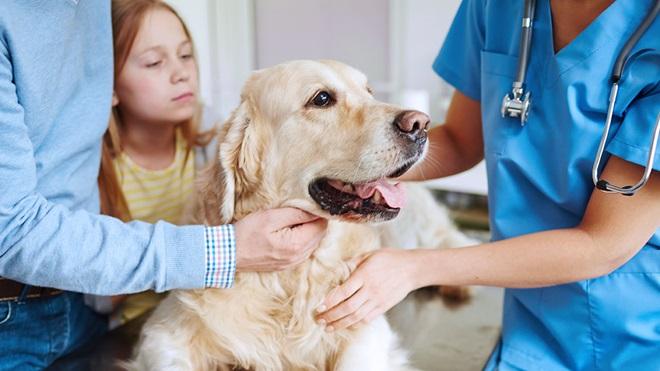
The ASPCA Community Veterinary Clinic aims to alleviate the stress on pet owners who struggle to afford necessary healthcare for their pets. The clinic serves as a vital resource for families living in underserved communities, particularly those residing in public housing developments nearby. By offering free services such as physical examinations, vaccinations, and basic diagnostics, the ASPCA is working to ensure that all pets receive the care they need.
This initiative is not only about providing immediate veterinary services but also about fostering long-term relationships within the community. As Matt Bershadker, ASPCA President & CEO, stated, "The need for affordable veterinary care is at an all-time high... it impacts not just the animals but their owners and families." The clinic's location was strategically chosen based on an identified lack of affordable veterinary options in the area.
The ASPCA Community Veterinary Clinic in Long Island City, Queens, offers a vital service to pet owners in need by providing free pet check-ups and vaccinations. This initiative is designed to support families who may struggle with the costs of veterinary care, ensuring that their pets receive necessary health services.

Steps to Get Free Pet Check-Ups and Vaccinations
Preparing for your pet's appointment at the ASPCA Community Veterinary Clinic is essential to ensure a smooth and efficient visit. Here are some important steps to follow:
1 Confirm Your Eligibility
To access these free services, pet owners must meet specific eligibility requirements:
-
Residency: Pet owners must live in one of the following zip codes:
11101
11102
11106 -
Proof of Public Assistance: To qualify for services, clients must provide documentation showing proof of public assistance. Acceptable forms of proof include:
Public Housing documentation
Supplemental Security Income (SSI)
Disability benefits (SSD)
Medicaid
Welfare
Temporary Assistance for Needy Families (TANF)
Food Stamps
Women, Infants, and Children (WIC) benefits
Food and Nutrition Services
2 Schedule an Appointment
- The clinic operates by appointment only, so it's crucial to call ahead or use the online booking system to secure your spot.
- Appointments are available Monday through Friday from 9 a.m. to 5 p.m. Make sure to arrive on time; if you are more than 15 minutes late, you may need to reschedule due to limited availability.
3 Prepare Your Pet
- Health Records: If possible, bring any previous veterinary records or vaccination history for your pet. This information can help the veterinarian understand your pet's health background.
- Pet Comfort: Ensure your pet is comfortable during the visit. Bring a leash or carrier, and consider bringing a favorite toy or blanket to help soothe them.
4 List Questions and Concerns
- Prepare a list of questions or concerns you have regarding your pet's health. This could include inquiries about vaccinations, behavior issues, or dietary needs. Being organized will help you make the most of your appointment.
5 Understand Services Offered
Familiarize yourself with the services available at the clinic, which include: - Physical examinations - Vaccinations - Deworming and microchipping - Treatment for minor health issues (skin, eye, and ear infections) - Spay/neuter services
Community Impact
The ASPCA Community Veterinary Clinic, recently opened in Long Island City, Queens, is making a significant impact on the local community by providing free pet check-ups and vaccinations to underserved pet owners. This initiative is part of a broader effort by the ASPCA to enhance access to veterinary care in areas where financial barriers often prevent families from seeking necessary health services for their pets.
Addressing Community Needs
The clinic serves as a critical resource for families living in neighborhoods with limited access to affordable veterinary care. Many local residents face financial challenges that make it difficult to provide proper healthcare for their pets. By offering free services, the ASPCA aims to alleviate this burden, ensuring that pets receive essential vaccinations and check-ups without the worry of high costs. This initiative not only benefits the animals but also supports the emotional and financial well-being of their owners.
Strengthening Family Bonds
Providing accessible veterinary care helps maintain the bond between pets and their families. When pet owners can afford routine check-ups and vaccinations, they are more likely to keep their pets healthy and avoid more serious health issues that arise from neglect or delayed treatment. As Matt Bershadker, ASPCA President & CEO, stated, "Providing accessible and affordable veterinary services for pets whose owners face financial challenges sustains the health and safety of those animals and helps keep families together." This sentiment highlights the importance of veterinary care in fostering strong family units.
Community Engagement and Education
Beyond offering medical services, the ASPCA Community Veterinary Clinic also engages with the local community through educational initiatives. The clinic provides information on responsible pet ownership, preventive care, and the importance of regular veterinary visits. By empowering pet owners with knowledge, the ASPCA helps create a more informed community that values animal welfare.
Impact on Local Animal Welfare
The clinic's presence contributes positively to overall animal welfare in the area. By increasing access to veterinary care, the ASPCA is helping reduce the number of stray animals and improving public health by ensuring that pets are vaccinated against common diseases. This proactive approach not only benefits individual pets but also enhances community safety and well-being.
Support and Funding Sources
-
The Rachael Ray Foundation: A significant portion of the funding for the ASPCA Community Veterinary Clinic comes from a leadership gift provided by The Rachael Ray Foundation. This foundation is dedicated to improving the lives of animals in need and plays a crucial role in supporting initiatives that align with its mission, particularly those that provide accessible veterinary care.
-
ASPCA Grants and Programmatic Investments: The ASPCA itself allocates substantial resources to various programs, including community veterinary services. Approximately 36% of the ASPCA's programmatic investments are directed toward shelter and veterinary services, which encompass the operations of community clinics like the one in Queens. Since 2001, the ASPCA has provided over $200 million in grants to more than 3,500 organizations nationwide, supporting a range of animal welfare initiatives, including enhancing access to veterinary care for low-income pet owners.
-
Community Partnerships: The ASPCA collaborates with local shelters, rescue groups, and municipal agencies to maximize the impact of its funding. These partnerships help address urgent needs in communities, such as staffing shortages and increasing access to affordable veterinary services. By working alongside other organizations, the ASPCA can leverage additional resources and expertise to better serve animals and their owners.
-
Public Donations: The ASPCA also relies on public donations to fund its initiatives. Contributions from individuals who support animal welfare help sustain the operations of community clinics and other programs designed to assist pets in need. This grassroots support is vital for maintaining free or low-cost services for eligible pet owners.
Remarks
The ASPCA Community Veterinary Clinic in Queens represents a significant step towards ensuring that all pet owners have access to necessary veterinary care, regardless of their financial situation. By focusing on community needs and providing free services, the ASPCA aims to alleviate some of the burdens faced by pet owners in New York City. For more information or to check eligibility, interested pet owners can visit the ASPCA's official website.

-
![]()
Guide to Pet Insurance Trials: Protecting Your Furry Friends
Free pet insurance offers can provide pet owners with an opportunity to explore coverage options without any financial commitment. These trials allow pet owners to experience the benefits of insura...
-
![]()
Government-Funded LPN Certification Courses Accessible to Everyone
Are you looking to start a career in healthcare as a Licensed Practical Nurse (LPN) but feel overwhelmed by training costs and lengthy programs? You're in luck! Many U.S. state governments offer fr...
-
![]()
Unbeatable Deals on Laundry Detergents: Your Ultimate Guide
Did you know that you can find some of the best laundry detergents for as low as $0.20? Read on to discover incredible deals that you won't want to miss! The Importance of Affordable Laundry Deterg...



Popular search
Our related search terms are derived from the top user queries over the last 3 days.